

Perfect leadership training serves to anchor missing principles, competences and skills. The world is changing – what made a manager successful in the past will no longer be enough in the future. It is more than just a new management style. New management tasks are emerging, and the role of the manager is changing massively.
In our courses, we provide the basics and expertise, promote the development of soft skills, and offer space for reflection and shared learning. This is consistently geared towards the future, which is why we call it New Leadership. We customize our training courses for managers to your needs and deliver them online, on-site or hybrid.
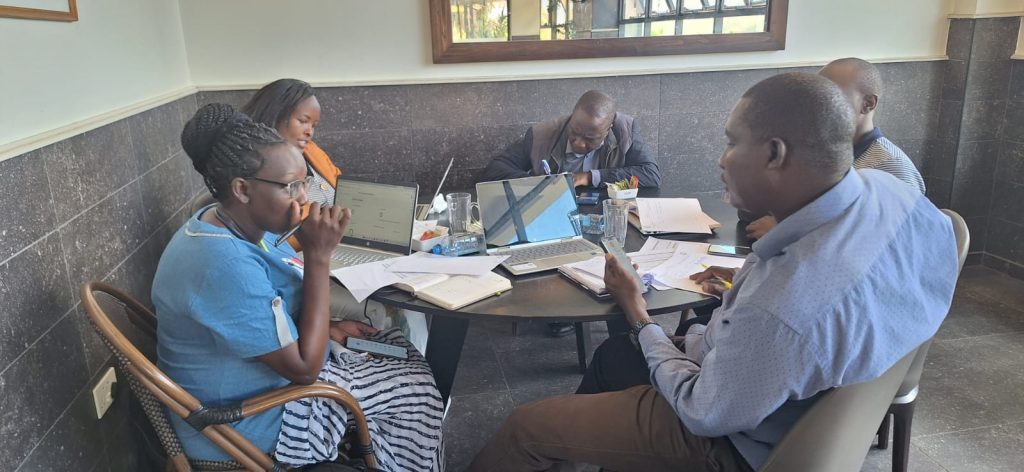
Resilience Training for Managers
Strengthen your own resilience and the resiliency and self-management of your team with this hands-on training.
Duration: 2 days
Classroom
VR Virtual Reality Leadership Training
Transform your leadership culture through immersive learning & VR
Duration: 1 day
Classroom

Storytelling Training for Leaders
Improve your storytelling skills and learn how to inspire and convince people with compelling stories.
Duration: 2 days
Classroom
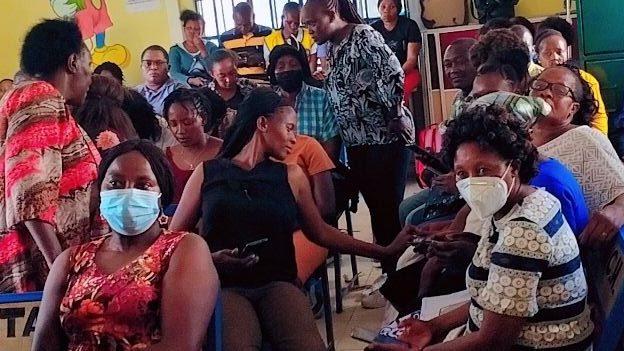
Hybrid Leadership Training
Leading remotely and managing the hybrid workplace
Duration: 2 days
Classroom / Online
AI for Managers
Leverage artificial intelligence with our AI for managers training
Duration: 2 days
Classroom / Online

Digital Literacy Training
Thrive in a connected world through confident, critical, and creative use of digital tools
Duration: 8 days
Classroom/ Online
The role of the leader is changing
The role of the leader is changing because the business environment is changing. This makes the world more complex for managers, who have to deal with unknown challenges and find solutions quickly in order to remain capable of acting. Many management training programs in the past were effective in a stable and orderly corporate world. Knowledge and experience have helped. It explains, why the best employee or the most outstanding employee was made a manager.
The frequency of change is increasing dramatically. External influences are creating situations that have never existed before. And managers have to react to them. But how do you lead when knowledge and experience do not help – or are not available? The future role of managers means having the principles, competences, and tools for dynamic, uncertain, and complex environments. To feel secure in uncertainty. And to know the difference between complicated and complex. Focusing on the people again.
What leadership training can achieve
Of course, management training provides the necessary foundations: expertise, knowledge, and methods. Depending on the company, the focus is on digitalisation, sustainability, AI, data-driven business, Generation Z, new work, agility, but also new strategies or business models.
However, our courses and training programs offer much more. Personal experience and reflection are at the center of our training courses for managers. This creates awareness of one’s own leadership behavior, values and strengths. We focus on the quality of relationships, communication, values, and strengths of employees. On the visible and invisible parts of the corporate culture.
Through experience and reflection, a positive involvement, and the desire to actively develop one’s own leadership role is created. We awaken the intrinsic motivation for change, but also make people aware of the inner saboteurs and external blockages. A tailored training for managers expands the scope and effectiveness of employee management and makes managers capable of taking action.
The difference between leadership and management
In a stable, organised environment, little leadership and communication was necessary. Good management methods helped to “keep things running smoothly”. Management is more about resources, processes, structures and KPIs. The goal of management is efficiency.
Real leadership is always about people and change. Individual employees are involved in a change process. Possibly an entire organization is transforming. Uncertainty is spreading. Transformation is always very personal and the need for communication, mentoring and coaching is increasing massively. Leadership means developing a vision of a desirable future, creating meaning, and making people want to embrace change. Leadership means developing people and accompanying them through change processes. Leadership means effectiveness.